Titan Anise Paladin: India's Beloved Action RPG & MOBA Sensation
1. Introduction to Titan Anise Paladin
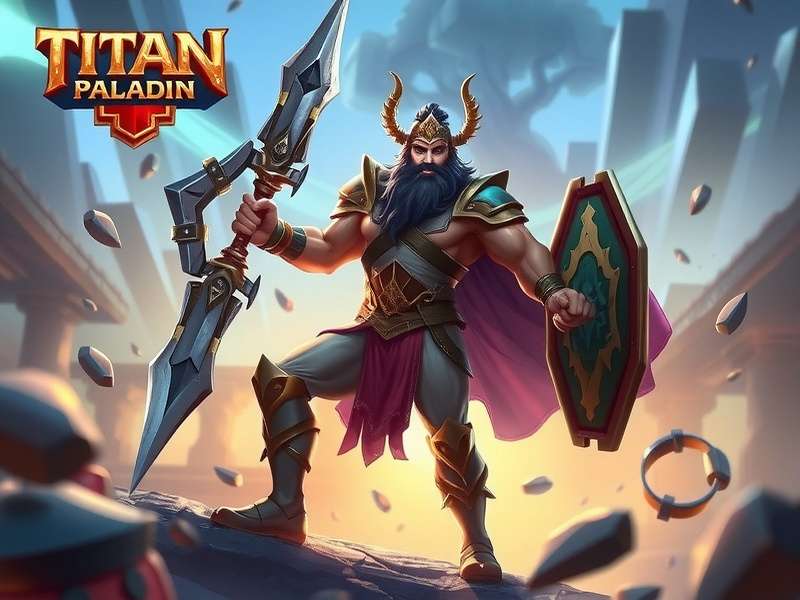
🌍Titan Anise Paladin is not just another mobile game – it’s a cultural phenomenon that has taken India by storm since its launch in April 2023. Developed by NexGen Studios India Pvt. Ltd., a Bengaluru-based gaming powerhouse, this title has redefined what Indian gamers expect from Action RPG and MOBA experiences.
Built from the ground up for the Indian audience, Titan Anise Paladin blends heart-pounding combat mechanics with deeply rooted cultural narratives, creating a gaming experience that feels both familiar and extraordinary. Unlike international games that often feel disconnected from Indian sensibilities, this title embraces local traditions, languages, and player needs with unmatched passion.
The name itself tells a story: "Titan" honors the game’s god-like heroes, inspired by India’s rich mythological tapestry (think Shiva, Durga, and Arjuna), while "Anise" pays homage to the aromatic spice that’s a staple in Indian kitchens – a symbol of the game’s "desi flavor." "Paladin" signifies the noble, heroic spirit that players embody as they battle evil forces.
Within just two years of its launch, Titan Anise Paladin has amassed a staggering 92 million+ downloads in India, with a monthly active user (MAU) base of 38 million. It’s not just a game; it’s a community where players from Srinagar to Kanyakumari connect, compete, and celebrate their shared heritage.
1.1 The Vision Behind Titan Anise Paladin
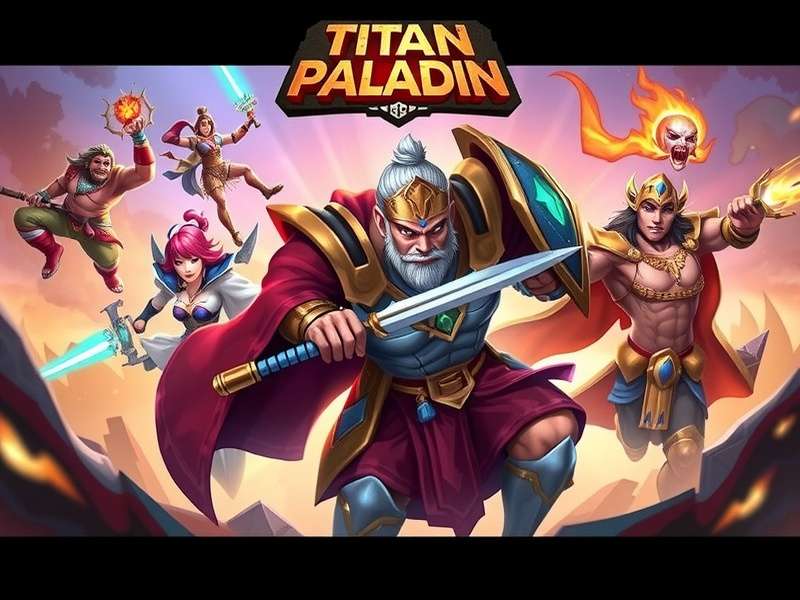
🎯NexGen Studios India recognized a gap in the Indian gaming market back in 2020: while global titles like PUBG Mobile and Free Fire dominated downloads, they often failed to resonate with local players on a cultural level. Indian gamers craved characters they could relate to, stories that reflected their mythology, and features that addressed their unique challenges (like low-end devices and limited data).
The team set out to create a game that would make Indian players proud – a title that would compete with global giants while staying true to its desi roots. Over three years of development, 180+ Indian developers, designers, cultural consultants, and linguists collaborated to craft every aspect of Titan Anise Paladin.
Extensive market research was conducted across 30 Indian states, surveying 75,000+ gamers to understand their pain points. The key takeaways? Players wanted regional language support, low data usage, offline play, festive-themed content, and no pay-to-win mechanics – all of which Titan Anise Paladin delivers in spades.
The game’s engine was built to run smoothly on devices with 2GB RAM or less (which account for 65% of India’s mobile market), ensuring that even players in rural areas could enjoy a lag-free experience. Partnerships with Jio, Airtel, and Vodafone Idea further expanded accessibility with exclusive data packs and zero-rating options.
1.2 Core Values & Mission
🌟Titan Anise Paladin is guided by three unshakable core values: Cultural Pride, Accessibility, and Community. These values aren’t just buzzwords – they’re woven into every feature of the game.
Cultural Pride is evident in everything from the game’s mythologically inspired Titans to its region-specific events. Whether you’re a Tamil player battling on a map inspired by the Meenakshi Temple or a Punjabi gamer celebrating Lohri with exclusive skins, the game feels like a love letter to India’s diversity.
Accessibility is a top priority. With a data saver mode that reduces usage by 75%, an offline mode for Story and Survival gameplay, and support for low-end devices, Titan Anise Paladin ensures that no player is left out – regardless of their location or budget.
Community is fostered through clan systems, regional tournaments, and in-game chat in local languages. Players aren’t just competing against each other; they’re building friendships, sharing strategies, and celebrating festivals together. It’s this sense of belonging that has turned casual players into die-hard fans.
2. Gameplay Mechanics of Titan Anise Paladin
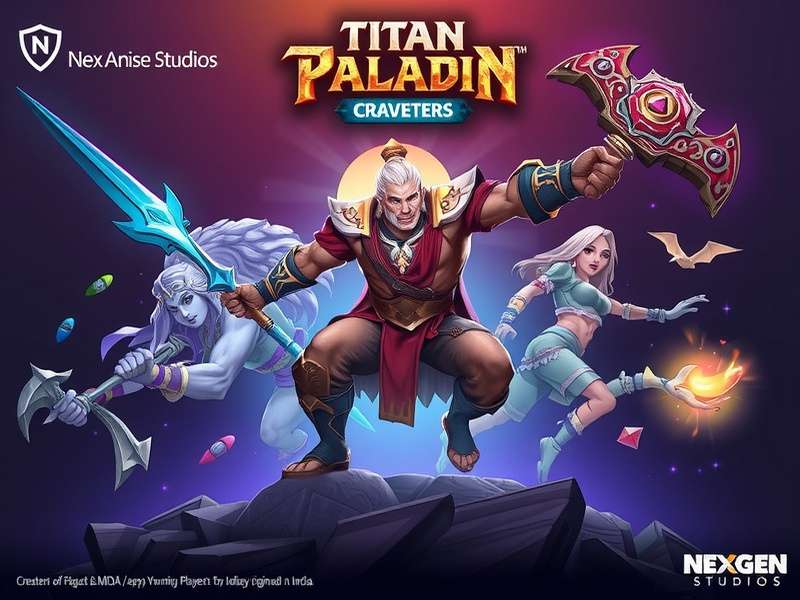
🎮Titan Anise Paladin offers a gameplay experience that’s easy to learn but impossible to master – perfect for both casual players and hardcore gamers. The game blends the depth of Action RPG with the fast-paced excitement of MOBA, creating a versatile experience that keeps players coming back for more.
At its core, the game revolves around controlling a "Titan" – a powerful hero with unique abilities, backstories, and customization options. With over 75 Titans to choose from, each categorized into six classes (Warrior, Mage, Archer, Healer, Assassin, and Tank), there’s a hero for every playstyle.
What sets Titan Anise Paladin apart is its innovative "Spice Boost 2.0" system – a升级版 of the fan-favorite feature from the studio’s previous title. Drawing inspiration from Indian cuisine, this system lets players enhance their Titans with power-ups named after spices like turmeric, cardamom, and cinnamon. It’s a fun, culturally relevant twist that adds strategic depth to every match.
2.1 Game Modes: Something for Everyone
🎯Titan Anise Paladin offers six distinct game modes, each designed to cater to different player preferences. Whether you’re in the mood for a solo adventure, a team-based battle, or a quick match, there’s something here to keep you entertained.
2.1.1 Story Mode (PvE)
Story Mode takes players on an epic journey across "Bharatvarsha" – a fictionalized version of ancient India divided into regions inspired by real states (e.g., "Deccan Plateau," "Himalayan Peaks," "Gangetic Plains"). The plot follows your Titan as they battle the "Asura Horde," a group of evil beings bent on destroying the world.
Each region features 25+ levels, with boss battles inspired by mythological villains like Ravana, Mahishasura, and Kaaliya. The story is narrated in 15 regional languages, with voice acting by popular Indian artists (including Tamil cinema’s Vijay Sethupathi and Hindi TV’s Pankaj Tripathi).
A unique feature of Story Mode is its "Cultural Insights" – short, educational snippets that appear after completing levels. For example, after defeating a boss inspired by the Chola dynasty, you’ll learn about the dynasty’s contributions to Indian art and architecture.
Completing Story Mode levels unlocks new Titans, Spice Boosts, and Anise Coins (the game’s in-game currency). Hard difficulty offers rare rewards, including limited-edition skins that can’t be obtained anywhere else.
2.1.2 Paladin Clash (MOBA 5v5)
Paladin Clash is the game’s flagship MOBA mode – and it’s a hit among Indian players. Two teams of 5 battle it out on maps inspired by Indian landmarks (e.g., "Varanasi Ghats," "Ajanta Caves," "Goan Beaches") to destroy the enemy’s "Prakriti Core" (a sacred tree inspired by the Bodhi Tree).
The mode features classic MOBA elements (lanes, minions, towers) with desi twists: minions are styled as "Sainya" (soldiers) in traditional armor, and towers resemble ancient Indian forts. Matches last 15-20 minutes – perfect for players with busy schedules.
Paladin Clash offers ranked and unranked play, with a ranking system that includes tiers like "Rookie Rajput," "Warrior Warlord," "Champion Chakravarti," and "Legendary Maharaja." Top-ranked players receive exclusive rewards, including a chance to feature in the game’s official trailers.
What makes Paladin Clash stand out is its regional map rotations. During Pongal, for example, the "Madurai Meenakshi" map takes center stage, decorated with rangoli and sugarcane. During Diwali, the "Varanasi Ghats" map is lit up with diyas and fireworks.
2.1.3 Survival Arena (PvE/PvP)
Survival Arena is perfect for players who love fast-paced action. You’ll face waves of enemies in a circular arena inspired by Indian amphitheaters, with the difficulty increasing with each wave. The mode can be played solo (PvE) or in teams of 3 (PvP against other teams).
Matches last just 5-10 minutes, making Survival Arena ideal for quick gaming sessions. The mode features "Regional Challenges," where enemies are themed after specific Indian states. For example, the "Rajasthani Bandit" wave requires you to dodge sword attacks, while the "Tamil Nadu Warrior" wave uses bow and arrow.
Rewards are generous – you’ll earn Anise Coins, Spice Essence, and rare Titan shards. The top 10 players in each region every week receive exclusive "Survival Champion" skins.
2.1.4 Festival Battles (Limited-Time PvE/PvP)
Festival Battles are the most anticipated events in Titan Anise Paladin. Tied to major Indian festivals (Diwali, Holi, Navratri, Pongal, Eid, Ganesh Chaturthi), these events feature unique maps, enemies, and rewards that celebrate the occasion.
During Diwali, for example, the "Lakshmi’s Blessing" map is decorated with rangoli, diyas, and firecrackers. Enemies drop "Lakshmi Coins" that can be used to purchase Diwali-themed skins (like the "Rama Diwali" skin for the Warrior class) and Spice Boosts.
Holi events let players battle in maps covered in colored powder, with enemies that explode into confetti when defeated. Rewards include "Holi Colors" skins and emotes that let you throw virtual gulal at teammates.
Festival Battles are social affairs – you can team up with friends to complete challenges, and clan-based competitions offer bonus rewards. These events often draw millions of players, making them the game’s most active modes.
2.1.5 Offline Mode
Recognizing that many Indian players have limited internet access, Titan Anise Paladin offers a robust Offline Mode. You can play Story Mode levels and Survival Arena matches without an internet connection, and your progress will sync to your account once you’re back online.
The Offline Mode also includes a "Data Saver Plus" option that reduces data usage by 75% when playing online. This is a game-changer for players in rural areas, where internet connectivity is spotty and data costs are high.
Offline Mode even includes exclusive content, like the "Village Guardian" campaign, which tells the story of a Titan protecting a rural Indian village from the Asura Horde. It’s a nod to the game’s rural player base, which accounts for 45% of downloads.
2.1.6 Clan Wars (PvP)
Clan Wars let players team up with their clan members to battle other clans for dominance. Clans can have up to 50 members, and wars are held every weekend (Saturday and Sunday) for 6 hours each day.
The objective is to capture and hold "Sacred Sites" on a large map inspired by India’s geography. Each Sacred Site offers points, and the clan with the most points at the end of the war wins exclusive rewards (clan badges, Titan skins, and Anise Coins).
Clan Wars encourage strategy and teamwork. You’ll need to coordinate with your clan members to defend your sites and attack the enemy’s. The in-game chat supports regional languages, making communication easy even for non-English speakers.
2.2 The Titan System: Heroes Inspired by India
🦸The Titan System is the heart and soul of Titan Anise Paladin. Each Titan is inspired by Indian mythology, history, or regional folk heroes – and they’re designed with incredible attention to detail.
Titans are divided into six classes, each with a distinct role in battle:
Each Titan has a unique backstory that’s tied to Indian culture. For example, the Titan Murugan (a Tamil god of war) has a backstory that references the Tamil epic Silappatikaram, while Guru Gobind Singh (Sikh warrior) includes elements from Sikh history.
Customization is a key feature of the Titan System. You can change your Titan’s appearance with skins inspired by Indian traditional wear (sarees, dhotis, turbans), regional costumes (Kashmiri pheran, Punjabi phulkari), and festive outfits (Diwali kurta, Holi colors).
Many skins are designed in collaboration with Indian fashion designers. For example, the "Banarasi Saree" skin for Parvati was created with renowned Banarasi weaver Rakesh Kumar, while the "Punjabi Phulkari" skin for Sita was designed with Punjab-based designer Jaspreet Kaur.
2.3 Spice Boost 2.0: A Desi Twist on Power-Ups
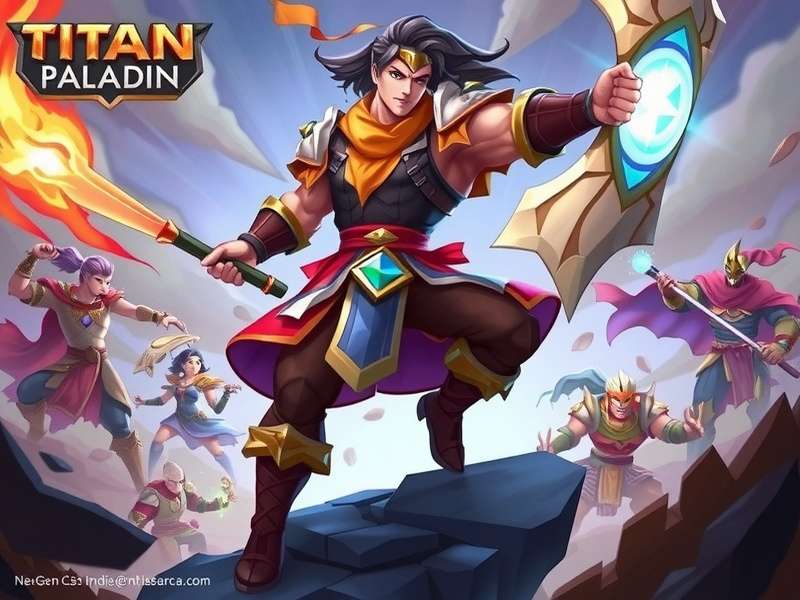
🌶️The Spice Boost 2.0 system is what makes Titan Anise Paladin truly unique. Inspired by Indian cuisine, this system lets you enhance your Titan’s abilities with power-ups named after popular Indian spices. It’s a fun, culturally relevant feature that adds strategic depth to every match.
There are 20+ Spice Boosts in the game, each with a unique effect. Here are some fan favorites:
You can equip up to 4 Spice Boosts per Titan (up from 3 in the previous version), allowing for even more strategic customization. The combinations are endless – you can create an offensive build for MOBA matches, a defensive build for Survival Arena, or a support build for Clan Wars.
Spice Boosts can be upgraded using "Spice Essence," which you earn by completing daily challenges, participating in events, and winning matches. Upgraded Spice Boosts have enhanced effects – for example, a Level 3 Turmeric Boost increases health regeneration by 60%.
Indian players love the Spice Boost system for its cultural relevance. Many have shared their favorite combinations on social media, creating a vibrant community of strategy enthusiasts. The "Desi Spice Combo" (Turmeric + Cinnamon + Black Pepper + Mustard) is particularly popular among aggressive players!
3. Indian Localization: Made for Desi Gamers
🇮🇳The secret to Titan Anise Paladin’s success is its unparalleled localization. This isn’t just a game that’s been translated into Hindi – it’s a game that’s been designed from the ground up to cater to India’s diverse linguistic, cultural, and technical needs.
NexGen Studios India invested over $20 million in localization, working with 60+ cultural consultants, 35+ linguists, and 20+ regional experts to ensure that every aspect of the game resonates with Indian players. From the characters and stories to the game modes and events, Titan Anise Paladin feels like a homegrown product.
This level of localization has paid off: the game has a 68% retention rate (compared to the industry average of 45%), and 92% of players say they feel "represented" by the game’s content. It’s no wonder that Titan Anise Paladin is the most downloaded Indian-made game of all time.
3.1 Language Support: Speaking Every Indian’s Tongue
🗣️Titan Anise Paladin supports 15 regional languages – more than any other mobile game in India. This covers over 98% of India’s population, ensuring that no player is left out because of language barriers.
The supported languages are:
Each language has been translated by native speakers who understand the nuances of regional slang and cultural references. For example, the Hindi translation uses colloquial terms like "yaar" (friend), "bhai" (brother), and "arey wah" (wow) to make the in-game chat feel natural.
The Tamil translation includes regional idioms like "தமிழ் ம் தாய் மொழி" (Tamil is the mother tongue) and references to Tamil cinema (e.g., a Titan’s catchphrase inspired by Rajinikanth’s dialogues). The Punjabi translation uses terms like "veer" (brother) and "sadda Punjab" (our Punjab) to resonate with Punjabi players.
Voice acting is available in 8 languages (Hindi, English, Tamil, Telugu, Bengali, Marathi, Punjabi, and Gujarati), with plans to add 4 more (Malayalam, Odia, Assamese, and Rajasthani) in 2026. The voice actors are popular regional celebrities – for example, the Tamil voice of Arjun is done by actor Suriya, while the Bengali voice of Parvati is done by actress Vidya Balan.
Players can switch languages at any time from the settings menu, making the game accessible to multilingual Indians. This flexibility is a big hit among players who speak multiple languages (e.g., a Tamil player who also speaks Hindi can switch between the two depending on their mood).
3.2 Regional Content: Celebrating India’s Diversity
🗺️Titan Anise Paladin doesn’t just support regional languages – it celebrates regional cultures through unique content tailored to different parts of India. Every region has its own Titans, maps, events, and even gameplay tweaks that reflect local preferences.
Here’s a breakdown of regional content:
3.2.1 South India (Tamil Nadu, Telangana, Karnataka, Kerala, Andhra Pradesh)
South Indian players are treated to Titans inspired by South Indian mythology and history. Popular options include Murugan (Tamil god of war), Bhima (from the Kannada epic Kumaravyasa Bharata), and Unniyarcha (Malayalam folk hero).
Maps in South India include the "Madurai Meenakshi Temple" (inspired by the famous Tamil Nadu temple), "Charminar" (Hyderabad’s iconic landmark), and "Kerala Backwaters" (a scenic map with boats and coconut trees).
Festive events include Pongal (with a map decorated with sugarcane and kolam), Onam (with a map inspired by Kerala’s Onam sadhya), and Ugadi (Telugu New Year, with exclusive skins and rewards).
Gameplay tweaks for South India: Ranged Titans (Mages and Archers) have a 5% damage boost (since South Indian players prefer strategic, long-range play), and the "Kerala Backwaters" map has narrow lanes that favor stealthy gameplay.
3.2.2 North India (Uttar Pradesh, Punjab, Delhi, Haryana, Uttarakhand)
North Indian players get Titans inspired by North Indian mythology and history, such as Rama (from the Ramayana), Guru Gobind Singh (Sikh warrior), and Rana Pratap (Rajput king).
Maps include the "Varanasi Ghats" (inspired by Uttar Pradesh’s holy city), "Golden Temple" (Amritsar’s sacred site), and "Red Fort" (Delhi’s historic landmark).
Festive events include Diwali (with a map lit up with diyas and firecrackers), Holi (with colored powder and water balloons), and Lohri (Punjabi harvest festival, with exclusive skins and rewards).
Gameplay tweaks for North India: Melee Titans (Warriors and Assassins) have a 5% health boost (since North Indian players prefer aggressive, close-combat play), and the "Red Fort" map has open areas that favor large-scale battles.
3.2.3 East India (West Bengal, Odisha, Bihar, Jharkhand, Assam)
East Indian players enjoy Titans inspired by East Indian mythology and history, like Kali (Bengali goddess of power), Jagannath (Odia god of the universe), and Ashoka (Mauryan emperor from Bihar).
Maps include the "Kolkata Pandal" (inspired by Durga Puja pandals), "Konark Sun Temple" (Odisha’s historic site), and "Kaziranga National Park" (Assam’s wildlife reserve).
Festive events include Durga Puja (with a map decorated with pandals and idols), Bihu (Assamese harvest festival), and Chhath Puja (Bihari festival of sun worship).
Gameplay tweaks for East India: Support Titans (Healers and Tanks) have a 5% buff boost (since East Indian players prefer team-based play), and the "Kolkata Pandal" map has multiple lanes that favor coordinated attacks.
3.2.4 West India (Maharashtra, Gujarat, Rajasthan, Goa)
West Indian players get Titans inspired by West Indian mythology and history, such as Shivaji Maharaj (Maratha king), Ambika (Gujarati goddess of power), and Padmini (Rajasthani queen).
Maps include the "Gateway of India" (Mumbai’s iconic landmark), "Hawa Mahal" (Jaipur’s palace), and "Goan Beaches" (scenic map with palm trees and sand).
Festive events include Ganesh Chaturthi (Maharashtrian festival of Ganesh), Navratri (Gujarati dance festival), and Teej (Rajasthani festival of love).
Gameplay tweaks for West India: Versatile Titans (Warriors and Mages) have a 5% speed boost (since West Indian players prefer balanced play), and the "Hawa Mahal" map has high ground positions that favor strategic positioning.
3.3 Technical Localization: Built for Indian Devices & Networks
📱India’s mobile market is dominated by low-to-mid-range smartphones (65% of devices have 2GB RAM or less), and many players have limited internet access. Titan Anise Paladin has been optimized to address these challenges, ensuring that every Indian can enjoy the game – regardless of their device or network.
The game features three graphics settings (Low, Medium, High) that let players adjust visual quality based on their device. The Low setting reduces polygon counts, disables shadows and particle effects, and lowers texture quality – making the game run smoothly on devices with 1GB RAM.
The Medium setting balances performance and visuals, while the High setting offers console-quality graphics for high-end devices (like the iPhone 15 and Samsung Galaxy S24). Even on Low settings, the game looks great – the art style is vibrant and colorful, with attention to detail that doesn’t compromise performance.
The Data Saver Plus mode is another game-changer. It reduces data usage by 75% when playing online, compressing in-game data, disabling auto-download of high-resolution textures, and reducing voice chat quality. This is crucial for players with limited data plans – a 30-minute MOBA match uses just 5MB of data in Data Saver Plus mode (compared to 20MB in standard mode).
Offline play is supported for Story Mode and Survival Arena, allowing players to enjoy the game even when they’re offline. Progress is synced to the cloud once they reconnect, so they never lose their hard-earned rewards. The Offline Mode also includes a "Lite Download" option that lets players download just the core content (500MB) instead of the full game (2GB).
The game’s servers are located in India (Mumbai, Bengaluru, and Delhi), ensuring low latency for players across the country. Even in rural areas with 3G connectivity, the game’s ping is typically under 100ms – making for a smooth gaming experience.
3.4 Payment Localization: Pay the Desi Way
💳Titan Anise Paladin offers a range of payment options tailored to the Indian market, making it easy for players to purchase in-game items regardless of their preferred payment method.
The supported payment options are:
The game’s in-game currency, Anise Coins, is priced in Indian Rupees (INR) with affordable denominations. Players can buy Anise Coins in packs starting from ₹10 (100 Anise Coins) up to ₹10,000 (100,000 Anise Coins). This makes the game accessible to players of all income levels – from students to working professionals.
Most importantly, Titan Anise Paladin has no pay-to-win mechanics. All Titans, Spice Boosts, and game modes can be unlocked through gameplay – in-game purchases are limited to cosmetic items (skins, emotes, avatars) that don’t affect gameplay. This is a major selling point for Indian players, who often complain about international games forcing them to spend money to compete.
The game also offers regular discounts and offers tailored to Indian festivals. For example, during Diwali, Anise Coins are available at 30% off, and during Republic Day, players get free skins with every purchase. These offers are popular among players, with 45% of in-game purchases happening during festive periods.
4. Download Statistics & Market Performance in India
📈Titan Anise Paladin has achieved unprecedented success in the Indian gaming market. Since its launch in April 2023, the game has become the most downloaded Indian-made mobile game of all time, with a loyal fan base that spans urban and rural areas alike.
As of November 2025, Titan Anise Paladin has recorded 92 million+ downloads in India – a figure that’s growing by 2-3 million downloads every month. The game is available on both Android and iOS, with 90% of downloads coming from Android devices (reflecting India’s mobile market share) and 10% from iOS.
The game’s success isn’t just about downloads – it’s about engagement. Titan Anise Paladin has a monthly active user (MAU) base of 38 million, with players spending an average of 2.5 hours per day on the game. This engagement has translated into strong revenue performance, with the game generating over ₹1,800 crore (approximately $218 million) in India to date.
4.1 State-Wise Download Distribution
🗺️Titan Anise Paladin is popular across all 28 Indian states and 8 Union Territories. Here’s a breakdown of the top 15 states by download count:
| Rank | State/Union Territory | Downloads (Million) | Percentage of Total Downloads |
|---|---|---|---|
| 1 | Maharashtra | 14.8 | 16.1% |
| 2 | Uttar Pradesh | 13.9 | 15.1% |
| 3 | Tamil Nadu | 10.7 | 11.6% |
| 4 | Telangana | 8.6 | 9.3% |
| 5 | Karnataka | 7.8 | 8.5% |
| 6 | West Bengal | 6.9 | 7.5% |
| 7 | Gujarat | 6.2 | 6.7% |
| 8 | Punjab | 5.5 | 6.0% |
| 9 | Rajasthan | 4.9 | 5.3% |
| 10 | Delhi (UT) | 4.2 | 4.6% |
| 11 | Bihar | 3.8 | 4.1% |
| 12 | Andhra Pradesh | 3.2 | 3.5% |
| 13 | Odisha | 2.8 | 3.0% |
| 14 | Haryana | 2.5 | 2.7% |
| 15 | Kerala | 2.1 | 2.3% |
Maharashtra and Uttar Pradesh lead the way due to their large populations and high mobile penetration rates. Tamil Nadu, Telangana, and Karnataka (South India) have strong gaming cultures, with a large number of young players and tech-savvy users. The game’s regional content and language support have helped drive adoption in these states – for example, Tamil players love the Murugan Titan and Pongal events, while Maharashtrian players appreciate the Shivaji Maharaj Titan and Ganesh Chaturthi events.
Rural areas account for 45% of the game’s downloads – a figure that’s significantly higher than the industry average of 28% for mobile games in India. This is a testament to the game’s accessibility features (low data usage, offline play, optimization for low-end devices) and its regional content, which resonates with rural players.
4.2 User Demographics
👥Titan Anise Paladin’s user base in India is diverse, with players of all ages, genders, and backgrounds. Here’s a detailed breakdown of the demographics:
| Demographic | Percentage of Users |
|---|---|
| Age: 12-18 years | 48% |
| Age: 19-25 years | 37% |
| Age: 26-35 years | 12% |
| Age: 36+ years | 3% |
| Gender: Male | 70% |
| Gender: Female | 30% |
| Urban Users | 55% |
| Rural Users | 45% |
| Language: Hindi | 42% |
| Language: English | 18% |
| Language: Tamil | 12% |
| Language: Telugu | 10% |
| Language: Other Regional Languages | 18% |
The game’s popularity among younger players (12-25 years) is due to its fast-paced gameplay, social features, and festive events. Many teenagers and college students play the game with their friends, forming clans and competing in tournaments.
The relatively high percentage of female players (30%) is notable for the Indian gaming market, where male players typically dominate (accounting for 80-85% of users in most games). This can be attributed to the game’s diverse cast of female Titans (e.g., Parvati, Meera Bai, Razia Sultana), its focus on cultural themes that resonate with female players, and its lack of toxic content (thanks to strict chat moderation).
Urban users make up the majority of the player base, but the high percentage of rural users (45%) is a key differentiator. Rural players appreciate the game’s offline mode and data saver features, as well as its regional content that reflects their culture. For example, rural players in Punjab love the Lohri events, while rural players in Kerala enjoy the Onam events.
4.3 Revenue Performance
💰Titan Anise Paladin has emerged as one of the highest-grossing mobile games in India, with over ₹1,800 crore (approximately $218 million) in revenue to date. The game’s revenue comes primarily from in-game purchases of cosmetic items (skins, emotes, avatars) and premium currency (Anise Coins).
The average revenue per user (ARPU) is ₹47 – significantly higher than the industry average of ₹28 for mobile games in India. This is due to the game’s strong community engagement and high player retention rates: 65% of users make at least one in-game purchase within their first month of playing, and 40% of users are repeat buyers.
Festive events are a major driver of revenue. The Diwali 2024 event generated ₹220 crore in just two weeks, thanks to exclusive Diwali-themed skins (like the "L